


Car accidents happen fast, and the injuries they cause do not always show up right away. Whether it is a rear-end collision on I-25 or a fender-bender at a busy intersection in Denver, the forces involved can affect your spine, neck, and joints in ways that are not obvious in the first few minutes. What you do in the first 48 hours after a crash can make a real difference in how quickly and completely you recover.
At Denver Physical Medicine & Rehab, we work with patients every week who were unsure whether their symptoms were serious enough to see someone, or who waited too long and ended up with a longer recovery than necessary. Denver’s mix of highway commuters, winter road conditions, and busy commercial corridors means collisions happen year round, and the injuries they cause can range from a mild strain that resolves in a few weeks to a lingering issue that shapes how you move for months. Here is what we recommend doing right after a collision, and why early action protects your spine.
Why the First 48 Hours Matter for Your Spine
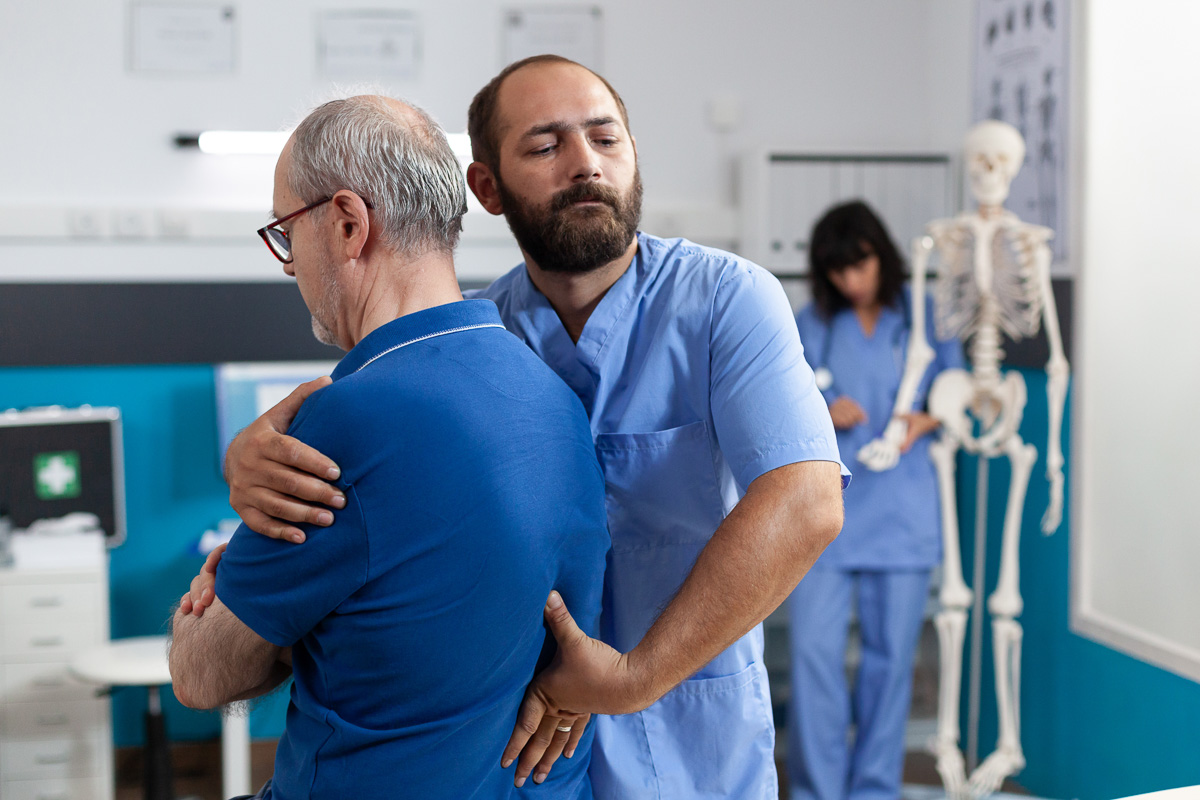 The spine is supported by a network of muscles, ligaments, and small joints that can be strained or irritated even in a low-speed collision. Immediately after an accident, adrenaline and shock can mask pain, which is why many people feel “fine” at the scene and then wake up stiff and sore the next morning.
During this early window, inflammation begins to build around any strained or injured tissue. Left unaddressed, that inflammation and the muscle guarding that comes with it can lead to compensation patterns, where the body starts favoring one side or one movement to avoid discomfort. Over time, those compensation patterns can create secondary problems in the neck, shoulders, or lower back that have little to do with the original point of impact.
Getting evaluated early gives your care team the chance to address the injury before those patterns set in, rather than after weeks or months of built-up compensation. This is one of the reasons we encourage anyone involved in a car accident, even a minor one, to be seen within the first day or two rather than waiting to see if symptoms resolve on their own. Waiting does not make an injury go away. It usually just gives it more time to settle in.
Immediate Steps to Take at the Scene and in the Hours After
What happens in the minutes right after a crash sets the stage for everything that follows, both medically and administratively. Staying calm and methodical, even when it feels difficult, helps protect both your health and your ability to get the right care covered.
At the scene
- Move vehicles out of traffic if it is safe to do so, and turn on hazard lights.
- Call for medical attention right away if anyone is injured or unsure of their condition.
- Exchange insurance and contact information with everyone involved.
- Take photos of the vehicles, the road, and any visible injuries.
- File a police report, even for a minor collision, since this becomes an important record later.
In the hours that follow
- Contact your auto insurance company to begin the claims process while details are fresh.
- Write down how the accident happened, including road conditions, speed, and impact direction.
- Schedule an evaluation with a provider experienced in auto accident injury treatment, even if you feel mostly okay.
Colorado auto insurance policies often include coverage for accident-related medical care regardless of fault, so scheduling an evaluation early is rarely a financial risk. It also creates documentation that connects your symptoms to the accident from day one, which matters if discomfort develops later.
Warning Signs That Need Medical Attention Right Away
Some symptoms after a car accident are urgent and should never wait 48 hours. Others are more subtle but still worth flagging to a provider quickly so they do not turn into something bigger.
Seek immediate care for
- Loss of consciousness, confusion, or a severe headache
- Numbness, tingling, or weakness in the arms or legs
- Difficulty breathing or chest pain
- Loss of bladder or bowel control
Schedule an evaluation soon for
- Neck or shoulder stiffness that limits how far you can turn your head
- Lower back pain or muscle spasm
- Headaches that develop hours after the crash
- Dizziness, fatigue, or a general feeling of being “off”
Many of these symptoms are consistent with whiplash and related soft tissue injuries, which frequently do not peak until 24 to 72 hours after impact. If pain radiates into your arms or legs, that can also point toward nerve irritation, which is worth having a professional look at rather than waiting out.
Why You Should Be Examined Even Without Obvious Symptoms
One of the most common questions we hear is whether it is really necessary to be seen if nothing hurts yet. The honest answer is yes, and there is a clear reason why.
Soft tissue injuries, including strains to the muscles and ligaments that support the spine, often follow a delayed pain pattern. The body’s initial stress response can suppress pain signals for hours or even a day or two, especially in cases involving whiplash from a rear-end or side-impact collision. By the time discomfort sets in, the underlying strain has already had time to develop, and the muscles around it may have already started guarding and tightening in response.
An early evaluation also creates a clear medical record tied directly to the accident date. If discomfort develops later, whether from your neck, upper back, or lower spine, having that baseline documentation supports both your treatment plan and, if needed, your insurance claim. Our team routinely works with patients navigating auto accident claims and understands how important that early paperwork trail can be to a smooth recovery process.
Being examined does not commit you to a long course of treatment. It simply gives you and your provider accurate information about what, if anything, needs attention, so small issues can be addressed before they grow into bigger ones. Many patients who come in within the first day or two need only a short course of care, while those who wait weeks often need more time and more visits to reach the same result, simply because the tissue has had longer to tighten and compensate.
Common Injuries That Surface in the Days After a Crash
Even accidents that seem minor can affect the spine and surrounding structures in ways that are not obvious right away. Understanding what to watch for helps you recognize a developing issue before it becomes a chronic one.
Injuries we frequently evaluate after a collision include
- Whiplash and cervical strain affecting the neck and upper back
- Muscle spasm and stiffness through the mid and lower back
- Joint irritation in the shoulders or hips from bracing during impact
- Aggravation of an existing disc issue or spinal condition
- Headaches related to neck tension or mild concussion
Not every collision causes all of these, and some people walk away with no lasting effects at all. The point of an early evaluation is simply to rule these issues in or out with a professional assessment rather than guessing based on how you feel in the first day or two. Someone who was already managing sciatica or a prior back injury before the accident may also notice those symptoms flare, which is another reason a thorough evaluation matters more than a quick self check in the mirror.
How Physical Therapy and Chiropractic Care Support Early Recovery
Once an evaluation identifies areas of concern, a combination of hands-on and active treatment tends to produce the best outcomes in the days and weeks following an accident.
A typical early recovery plan may include
- Physical therapy to restore range of motion, reduce muscle guarding, and rebuild strength around the neck and spine.
- Chiropractic care to help restore joint mobility and reduce mechanical stress on the spine.
- Gentle manual therapy and targeted stretching to calm irritated soft tissue.
- Guided home exercises designed to keep small issues from becoming chronic ones.
We tailor these plans based on the specific forces involved in the collision, the areas affected, and how your body responds in the first few visits. Patients dealing with back pain or neck pain after an accident often see meaningful improvement once a structured plan is in place, particularly when treatment begins soon after the crash rather than weeks later.
Progress is usually measured in small, steady gains rather than one dramatic turning point. Range of motion improves first, then strength and stability follow as the surrounding muscles relearn how to support the spine without overcompensating. Staying consistent with visits and home exercises in those early weeks tends to shorten the overall timeline considerably.
Your First 48 Hours Checklist
If you take nothing else from this article, keep this general checklist in mind after any car accident in Denver:
- Prioritize safety at the scene and call for help if anyone appears injured.
- Document the accident with photos, a police report, and witness information.
- Notify your insurance company promptly and keep records of the claim.
- Watch closely for warning signs like numbness, dizziness, or worsening pain.
- Schedule a medical evaluation within the first day or two, even if you feel fine.
- Follow through with a structured treatment plan if a soft tissue injury is identified.
Acting on these steps early gives your spine the best chance to heal properly and helps prevent minor strains from turning into long-term discomfort down the road.
Get Evaluated Quickly After Your Accident
You do not have to guess whether your symptoms are serious enough to see someone. Our team has years of experience helping Denver residents recover from car accident injuries, from mild strains to more complex whiplash cases, and we work with most auto insurance claims. You can find our clinic location and hours here if you have questions about getting in quickly.
If you were recently in a collision, do not wait for pain to worsen before getting checked out. Whether your accident happened yesterday or a few days ago, an early evaluation still gives you a head start on recovery. Request an Appointment today and let our team help you start recovering the right way from day one.
Ready for an expert opinion? Get in touch today!
Discover how physical therapy can help manage scoliosis in mild to moderate cases, along with other ways it offers healthcare solutions. Learn more from Dr. Mansi Dua, DPT, C2 Schroth Certified.
Like this article? Spread the word!
Related Posts

Denver Physical Medicine & Rehab’s Guide to Physical Therapy for Disc Injuries
Explore how physical therapy treats herniated and bulging discs at Denver Physical…

How Long Does Physical Therapy Take to Help Knee Pain?
Wondering how long physical therapy takes for knee pain? Denver Physical Medicine & Rehab…

How to Fix Tech Neck and Rounded Shoulders from Screen Time
Dealing with tech neck or rounded shoulders from screen time? Learn how to fix it and…